 |
|||||||||||
|
Articles about Health
Age
Canadian Healthcare
Dieting & Eating Disorders
Drugs & Medication
General Info & Opinion
Mental Health
Plastic & Cosmetic Surgery
Sleep & Sexuality
Women's Health & Baby Care
Unlocking the Potential of Anti-Aging Medications: Current Options and Promising AdvancesBy Chaz G. T. Patto - June 2023. In the quest for prolonged youthfulness and enhanced quality of life, the field of anti-aging medicine has witnessed significant advancements. While the concept of reversing or halting the aging process entirely remains elusive, there are several medications that have shown promise in combating age-related conditions and promoting healthy aging. In this article, we explore some of the anti-aging medications currently available and the scientific breakthroughs that hold potential for the future. Metformin: Metformin, a widely prescribed drug for diabetes management, has gained attention for its potential anti-aging effects. Research suggests that metformin may extend lifespan and improve age-related health outcomes by influencing metabolic pathways and reducing inflammation. Ongoing clinical trials are investigating its potential for treating age-related diseases such as cardiovascular disease, cancer, and cognitive decline. Rapamycin: Rapamycin, an immunosuppressant used in organ transplant recipients, has demonstrated promising anti-aging properties. It acts on the mTOR pathway, which plays a vital role in regulating cellular metabolism and aging. Animal studies have shown that rapamycin can extend lifespan and improve age-related conditions such as cardiovascular disease, cancer, and neurodegeneration. However, further research is needed to determine its safety and efficacy in humans. NAD+ Precursors: NAD+ (nicotinamide adenine dinucleotide) is a coenzyme involved in cellular energy metabolism and DNA repair. NAD+ levels decline with age, contributing to cellular dysfunction and age-related diseases. NAD+ precursors such as nicotinamide riboside (NR) and nicotinamide mononucleotide (NMN) have shown promise in boosting NAD+ levels and improving cellular function in preclinical studies. Clinical trials are underway to investigate their potential anti-aging effects and safety. Resveratrol: Resveratrol, a natural compound found in grapes, red wine, and certain plants, has gained attention for its potential anti-aging properties. It activates enzymes called sirtuins, which are involved in cellular aging and stress response pathways. Animal studies have shown that resveratrol can extend lifespan and improve metabolic and age-related health outcomes. However, its efficacy and safety in humans require further investigation. Senolytics: Senescence, the accumulation of senescent cells in tissues, contributes to age-related diseases and frailty. Senolytics are drugs that selectively eliminate senescent cells, promoting tissue rejuvenation and improved health outcomes. Several senolytic compounds, including dasatinib and quercetin, have shown promise in preclinical studies, and clinical trials are underway to evaluate their efficacy and safety in humans. Hormone Replacement Therapy (HRT): Hormone replacement therapy involves supplementing or restoring hormones that decline with age, such as estrogen and testosterone. HRT has been used to alleviate menopausal symptoms in women and address age-related hormonal imbalances in both men and women. Properly administered and monitored HRT can improve quality of life, bone density, cardiovascular health, and cognitive function. However, the benefits and risks should be carefully considered and discussed with a healthcare professional. Final Thoughts: While the concept of a "fountain of youth" remains elusive, advancements in anti-aging medicine offer hope for healthier and more vibrant aging. Current medications such as metformin, rapamycin, NAD+ precursors, resveratrol, senolytics, and hormone replacement therapy show promise in improving age-related health outcomes and extending healthspan. However, it is crucial to approach anti-aging medications with caution, as further research is needed to establish their long-term safety, optimal dosages, and potential side effects. Consulting with a knowledgeable healthcare professional is essential before considering any anti-aging medication or intervention.
The Dangers of Ear InfectionsAugust 2019. What is an Ear Infection? An ear infection, or otitis media, is the most common cause of earaches. Although this condition is a frequent cause of infant distress and is often associated with children, it can also affect adults, and it can lead to hearing loss. If you think you have suffered hearing loss you can do an Online Hearing Test, which will help you to determine whether you need to visit an audiologist to have a proper and full Hearing Test to determine if you need hearing aids. The infection in the middle ear (the space behind the eardrum where tiny bones pick up vibrations and pass them along to the inner ear) very often accompanies a common cold, the flu, or other types of respiratory infections. This is because the middle ear is connected to the upper respiratory tract by a tiny channel known as the Eustachian tube. Germs that are growing in the nose or sinus cavities can climb up the Eustachian tube and enter the middle ear to start growing. Most parents are frustratingly familiar with ear infections. Except for wellness baby visits, ear infections are the most common reason for trips to the pediatrician, accounting for approximately 30 million doctor visits a year in the U.S. Today, almost half of all antibiotic prescriptions written for children are for ear infections, and the cost of treating middle ear infections in the U.S. has been estimated at more than $2 billion a year. Untreated, ear infections can lead to more serious complications, including mastoiditis (a rare inflammation of a bone adjacent to the ear), hearing loss, perforation of the eardrum, meningitis, facial nerve paralysis, and possibly -- in adults -- Meniere's disease. What Causes an Ear Infection? The middle ear is a small space behind the ear drum that is supposed to be well ventilated by air that normally passes up from behind the nose, through the Eustachian tube, keeping the middle ear clean and dry. When there is not enough fresh air ventilating the middle ear, such as when the Eustachian tube is clogged or blocked, the area becomes damp, stagnant, and warm, a perfect breeding ground for germs. In children and infants, the Eustachian tube is often too soft or immature and has a harder time staying open. Allergies, post nasal drainage, sinus infections, common cold viruses and adenoid problems can all interfere with the Eustachian tube’s ability to let air pass into the middle ear. When the doctor looks at the eardrum, he or she will see that it is red, often bulging, and be able to make the diagnosis of an ear infection. For children, the most common trigger of an ear infection is an upper respiratory viral infection, such as a cold or the flu. These disorders can make the Eustachian tube so swollen that air can no longer flow into the middle ear. Allergies -- to pollen, dust, animal dander, or food -- can produce the same effect as a cold or flu, as can smoke, fumes, and other environmental toxins. Bacteria can cause an ear infection directly, but usually these organisms come on the heels of a viral infection or an allergic reaction, quickly finding their way into the warm, moist environment of the middle ear. Invading bacteria can wreak major havoc, turning inflammation into infection and provoking fevers. Among the bacteria most often found in infected middle ears are the same varieties responsible for many cases of sinusitis, pneumonia, and other respiratory infections. According to the American Academy of Otolaryngology-Head and Neck Surgery (ear, nose, and throat physicians), the conjugate pneumococcal vaccine is very effective against several strains of the most common bacteria that cause ear infections. This vaccine is routinely given to infants and toddlers to prevent meningitis, pneumonia, and blood infections. Your child’s doctor should advise you on the use of this vaccine, which may help to prevent at least some ear infections. Ear infections occur in various patterns. A single, isolated case is called an acute ear infection (acute otitis media). If the condition clears up but comes back as many as three times in a 6-month period (or four times in a single year), the person is said to have recurrent ear infections (recurrent acute otitis media). This usually indicates the Eustachian tube isn't working well. A fluid buildup in the middle ear without infection is termed otitis media with effusion, a condition where fluid stays in the ear because it is not well ventilated, but germs have not started to grow. In recent years, scientists have identified the characteristics of people most likely to suffer recurrent middle ear infections:
Myth Busting You may have heard that babies who are bottle-fed formula have fewer ear infections than babies who are fed breastmilk, but this is actually a myth. There is no evidence of this being true. It is like the myth that vaccines cause allergies, brain damage, cancer, diabetes, eczema, flu, gluten intolerance, hair loss, etc. No seriously, you could publish a ABCs book of the long list of things people mistakenly think are caused by vaccines. Might have to skip Q and Z, but a brilliant liar will probably argue that vaccines cause Quadrantanopia and Zika virus. Isn't myth busting fun?
|
|
||||||||||
|
Battle Archery: Cheaper than a Personal Trainer plus Way More Fun
By Charles M. - April 2017. In April 2016 I wrote a post on CardioTrek.ca titled "Is Canada's Wonderland cheaper than a Toronto Gym?" in which I asserted that it was cheaper and more fun to get a Canada's Wonderland season pass than it was to get a gym membership in Toronto for a similar length of time. The same is also true of Battle Sports "Archery Tag" or "Combat Archery" (whatever you want to call it) when you compare it to the cost of hiring a personal trainer. Imagine spending $50 or more per hour on a personal trainer (as a personal trainer myself, that is my current hourly rate: $50) when you could instead sign up for various sessions at Battle Sports for roughly half the price of what I charge for personal training.
And the same goes for Battle Sports new location, Sports de Combats in Montreal - where you can do archery tag, get archery lessons in Montreal, and even do axe throwing. In English and French! Anyway the point I am trying to make here is that there are a variety of things out there which are cheaper than a personal trainer, but provide way more enjoyment and exercise. Which I admit means that I am pootahing my own profession as a personal trainer / sports trainer. But whatever, I am the first to admit that personal training is really only for the people who need an extra push of motivation. The vast majority of people don't really need a personal trainer, what they really need is a sport that they can enjoy and have fun doing. And depending on the person Combat Archery or Axe Throwing could just be the sport that is perfect for YOU. And since Battle Sports in Toronto / Sports de Combats in Montreal just seems to be the beginning for this particular company, I wouldn't be surprised if 5 years from now there were other locations spread out through Ontario and Quebec. And personal trainers? They might become a thing of the past if Combat Archery, Axe Throwing and similar activities really take off. The sports model of physical activity / losing weight is cheaper, more effective at weight loss, and addictive/fun. The old model of personal training just doesn't work any more. It is one of the reasons why I frequently refer to myself as a sports trainer these days. I will still use the term personal trainer, but by sometimes emphasizing sports trainer I am getting across the message to clients that I primarily teach sports these days. Sports like archery, which is one sport I thoroughly enjoy promoting. To me if personal trainers are going to adapt and survive in the future they are going to need to change. Significantly. They need to become niche trainers. I chose to specialize in archery, boxing, swimming and ice skating. But a different person might have chosen to teach yoga and weight lifting. Or rock climbing and knife throwing. Or acrobatics, gymnastics and parkour. Thus when we look at Combat Archery locations like Battle Sports / Sports de Combats, what are they really teaching? Archery? Yes. Axe throwing? Yes. Survival skills? Not really, but maybe in the future they might add other niche topics like martial arts, boxing, Krav Maga...? Who knows. What I do know is that personal trainers are becoming more specialized (and more expensive), so it makes sense that people should shop around for cheaper and more fun alternatives. Combat Archery and Axe Throwing is simply one of those cheaper alternatives that is way more fun.
What Is The Difference Between Hearing Aids and Personal Sound Amplifiers? By D. Eze - September 8th 2014.
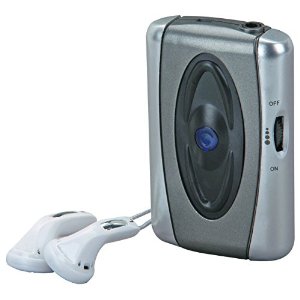
If you look for hearing aids on Amazon you will not be taken to the hearing aids section of the site. Instead you will be taken to the personal sound amplifier products (PSAP) section of the site. The PSAPs are very low in cost and can seem like a good option if you are having hearing problems. But hearing aids and PSAPs are not the same. The main difference is that only hearing aids can improve impaired hearing. That is to say, if you have a hearing problem due to damage or degeneration then hearing aids will improve your hearing while PSAPs will not. You may have seen the commercial where people are sitting watching television in bed, having a nice dinner out or playing with their grandkids and they are unable to hear the people around them. A device, a PSAP, is offered to remedy the situation and all the poor people having the hearing issues suddenly have smiles on their faces because they are now able to hear. It may appear that the people were having impaired hearing issues but they were actually having difficulty hearing in condition that were not optimal. How are they different? The PSA is only able to amplify the sound so that it is more easily heard. They are intended for people who are non-hearing-impaired. They are substantially cheaper. Hearing aids not only amplify sound, they compensate for hearing loss. They are intended for people who are hearing-impaired. They are more expensive.
When should I use a PSAP and a hearing aid? PSAP’s should be used when you are in an environment not conducive to hearing, which may include, a sporting event, a loud restaurant or to hear a television that is far away. In conditions that are conducive to hearing you will find that you do not need your PSAP. Hearing aids should be used when you have a hearing impairment that has been diagnosed by a health care professional. In which case, you should use your hearing aid as directed. How do you know which you should choose? The first thing you should do is find out if you have a hearing impairment. Go see an audiologist to get tested. If you are not sure if you need one use this FDA test to see if you might need to see an audiologist:
The bad side to PSAP’s PSAP’s can be useful but they can only be so if they are used properly. People with hearing impairments have been ignoring their issues and substituting hearing aids or PSAP’s because PSAPs are available. This is doing a lot of hear to people whose lives would be greatly improved if they had hearing aids. PSAP’s are just a stopgap that temporarily and insufficiently deal with the problem. Bibliography Mann, Eric A., M.D., Ph.D., “Hearing Aids and Personal Sound Amplifiers: Know the Difference”, U.S. Food and Drug Administration Consumer Updates website, Oct. 20, 2009. Retrieved 2014-09-03. Hearing Products and Audiology Services - Omni Hearing in Woodbridge and Oakville. Retrieved 2014-09-03.
5 Ways to Be Healthier and Live Longer #1. Get plenty of sleep. Afternoon naps are good too. #2. Eat lots of healthy food - especially green tea which is a proven detoxifier and prevents cancer. #3. Exercise daily - and try to do a wide range of exercises, including stretching, cardio, and even weightlifting. #4. Stop stressing over things that don't really matter. The stress isn't worth it. Live small, but enjoy everything big time. #5. Don't make excuses so you can be lazy or because you failed. Take action instead and keep trying until you succeed.
10 Ways to Exercise as a Family
1. Go for pre- or post-dinner walks
2. Crank up the music and boogie down
3. Make a game out of household chores
4. Sneak workouts into other activities
5. Turn TV commercials into fitness breaks
6. Have a weekly sports night
7. Walk or run for charity
8. Put kids to work in the yard
9. Team up for gardening
10. Walk the dog
Cigarettes Get A Technological Facelift There is a new cigarette available in Ontario and its going to dramatically change the industry. It may even spell the end to traditional cancer-causing cigarettes. Imagine smoking without the smoke? Or the cancer? Or the horrible stench? Three Ontario entrepreneurs have created a smokeless and tobacco-free cigarette and are hoping to capitalize on the province wide smoking ban. The Revelle Prestige looks and acts like a cigarette, but without the harmful side effects... Read more... Young people can stop deadly diseases with diet, exercise Young adults in mid-Michigan have been given a gift that could save their lives -- the chance to prevent one of the nation's leading killers. Heart disease kills more people in Midland, Bay, Saginaw, Isabella and Gladwin counties than it does on a national average, according to a 1999-2003 study by the Centers for Disease Control and Prevention. Young adults, don't stop reading, because doctors say prevention must begin in youth, since arteries of people in their teenage years can contain the plaques that cause heart disease and eventually heart attacks. "With the way that our culture is, with our genetics, the things that we eat, consume, smoke and whatever else, we're definitely starting this process at a young age," said Dr. Susan Sallach, a cardiologist at St. Mary's of Michigan. "We see people with chest pains younger and younger all the time, so it's definitely important." In mid-Michigan, the increased death rate could be from a sedentary lifestyle, a greater rate of smoking and even the state's poor economy, which can cause more people to turn to the less expensive foods that tend to be worse for the body. No matter the cause, local doctors are taking note of the deadly trend and want area residents to turn it around. Why stop heart disease?
It's better to prevent heart disease than deal with damage later on. Just ask Ray Fryar, the 59-year-old principal of Jefferson Middle School in Midland. It was the fall of 2003 when he began progressively losing energy, and then felt a pain grow in his stomach. The pain got so bad he had to leave a meeting at work, thinking he might be able to sleep it off. The next morning he discovered you can't sleep off a heart attack, and was rushed to the hospital for emergency treatment. "Once you've had the heart attack you can have irreparable damage that you can avoid," he said. "If you can avoid that attack in the first place you're so much further ahead of the game." Sallach, who works with new cardiac MRI imaging technology at St. Mary's, agreed. "To have the choice to do things that can potentially prevent problems down the road -- what a huge advantage; what a gift," she said. Sallach said it comes down to knowing personal risk factors and family history, as well as beginning to take better care of the body. Risk factors for heart disease include high blood pressure, diabetes and high cholesterol levels. Keeping those in check could go a long way in preventing major problems later. Knowing each parent's heart health also matters. If either parent had a heart attack early in life, it ups a person's chance of having one, too. Taking care of the body is another key factor, but it's also a tough one. Sallach said everyone falls victim to being a couch potato or grabbing convenient fast foods, but it's important to get back on the path to good nutrition and exercise. Take it one step at a time Improving heart health begins with finding fun ways to get moving, along with eating meals with better nutritional value. "Finding novel and innovative ways of exercise is an important part of keeping doing it," Sallach said. "If you don't like it, or you pick something you hate doing, you're not going to stick to it." She's even heard of people making workouts a social event, where people focus on the interaction with friends and happen to be getting their exercise in at the same time. The recommendation is 30 minutes of brisk exercise most days of the week. Then there is eating right, with the most important point being moderation, Sallach said. It also includes avoiding foods high in fat or containing trans fatty acids and saturated fats. "I think you can probably eat healthy for a reasonable price if you're willing to take the time to do it," she said. "That's the major thing, because most people want pre-prepared meals, frozen meals, canned foods. They want quick meals, and that's where you lose the quality of food and quality of nutrition." Staying healthy also means giving up smoking. "Even a little bit of smoking is bad. It still increases your risk for stroke and heart attack, as well as cancer," Sallach said. "There's no amount of smoking that's acceptable, and secondhand smoke counts, too." Staying away from recreational drugs also is vital, since they can speed up the blockage of arteries and damage the heart muscle itself. "Those are things that are important for a younger age group to think about," Sallach said. "Everything that you do will have a consequence at some point. It may be mild and go unnoticed, or it may be severe and life changing."
Fight Cancer with Exercise Someone with a family history, who smokes, has a high-fat diet and doesn't exercise, says oncologist Dr. David Nanus, who has been treating cancer patients for more than 20 years. "If you're obese or overweight, you have an increased incidence in a number of cancers — colon cancer, prostate cancer, breast cancer," Nanus says. According to the American Cancer Institute, about one-third of cancer deaths in 2006 were related to nutrition, physical inactivity and being overweight or obese — and therefore, could have been prevented. So what can you do to reduce your risk? Start by eating a diet that contains lots of fruit and vegetables. For example, studies show broccoli, especially broccoli sprouts, may help prevent colon and rectal cancer. You can control your lifestyle, but not your family history. Five to 10 percent of all cancers are strongly hereditary. There are genetic tests for some kinds of cancers including breast, colon, and ovarian. "It's important if you know you're from a cancer family, then you need to get screening," Nanus says. Nanus believes those mammograms after age 40, and colonoscopies after age 50, may be the most powerful weapon in the battle against cancer. "The biggest problem is the fear factor," he says. "People are so afraid of being diagnosed with cancer they wait." Nanus says waiting even three months can mean the difference between life and death. Tone up memory with exercise
Exercise, researchers have found over the years, appears to help people fight the memory loss that comes with aging. A new study suggests a possible explanation for why this is so. The report, which appears online in the Proceedings of the National Academy of Sciences, says working out may stimulate the growth of neurons in a part of the brain associated with memory loss. Researchers at the Columbia University Medical Center, using 11 volunteers, an MRI machine and equipment like treadmills, were able to see that blood flow increased to the hippocampus part of the brain as the volunteers exercise, suggesting that working out may help produce neurons in a part of the hippocampus that loses them disproportionately as people age. The researchers also found that as the volunteers went through a three-month exercise period, their scores on memory tests went up.
|
|||||||||||
|
|
|||||||||||
 Exercise & Fitness